
How to Turn Goose Shells into Floaters
| If you... | Best Choice | Why |
|---|---|---|
| Hunt Shallow Marshes | Stakes or conduit | Easy to use, just like setting full bodies or silos in a field. |
| Hunt Changing Water Depth | Pipe Insulation or Foam Boards | Stakes are difficult to use if water depth varies. |
| Already Own Shell Decoys | Convert Them | Multiple use is worth it when you already have the decoys. |
| Hunt Big Water | Buy Dedicated Floaters | Modifying goose shells isn't ideal in rough water or if you use them consistently as floaters. |
The benefits of having floating goose shells are great: they’re stackable, lightweight, and don’t take up very much room. For the walk-in style of hunting that we do, they check every single box except they don’t float. However, if you’re willing to do a little bit of work and accept some trade-offs, you can set out a pretty big Canada goose spread with floating shells.
Goose Decoys: Selection
Sourcing goose shells is a lot easier than floaters. Used decoys tend to be easier to find when it comes to goose shells, because they don't exactly wear out. Old floaters might be leaky, but old goose shells might just need a little touch up paint.
Affiliate Disclaimer: We are a participant in the Amazon Services LLC Associates Program and other affiliate programs. We may earn a commission at no cost to you if you purchase through links on this page.
Standard Goose Shells
Standard goose shells will work just fine for turning into floaters, but you won’t have quite as much pop or draw as the magnum or super magnum shells. Standard shells do have quite a few benefits though, as they are usually much cheaper than the larger shells. They are also lighter and easier to transport. They may not have the pulling power of a larger decoy, but you can compensate by setting out more of them if you have limited space in your decoy bag.
If you’re going with a standard shell, I like to get ones with flocked heads. Flocking on your decoys cuts down on the glare and adds a lot of realism to your spread. If you’re going for maximum realism, I would suggest getting a quality standard goose shell with a flocked head.
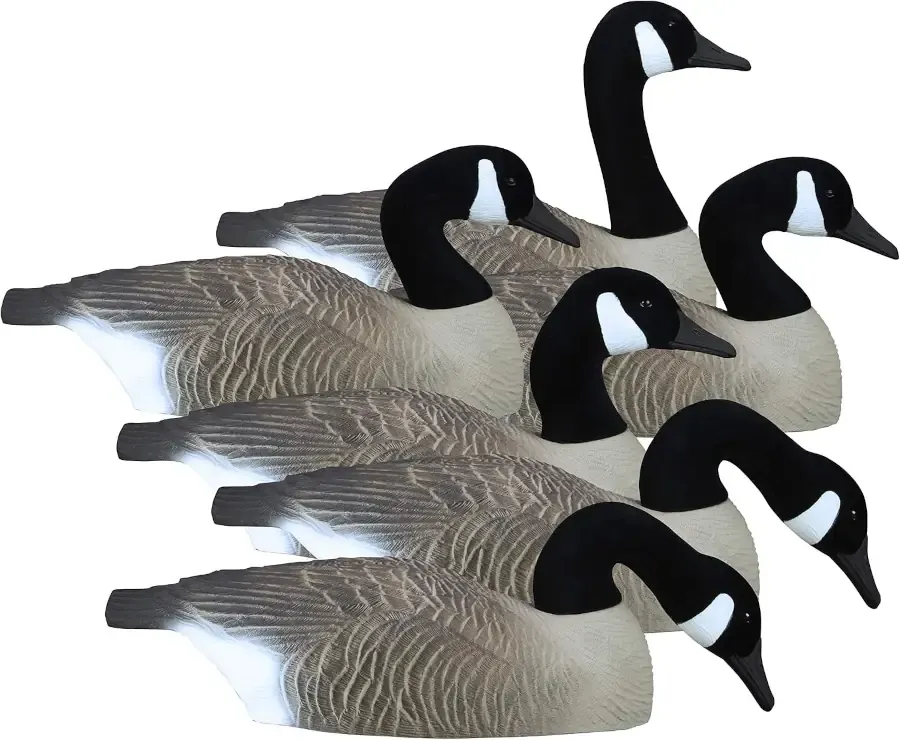
Compact and stackable, these don't have the visibility like larger shells but still provide good contrast with the flocked black heads.
Check PriceMagnum Goose Shells
If maximum visibility and pulling power is the name of your game, then you may want to consider a magnum or super magnum shell. These shells are significantly larger than the standard shell, and they stand out at a distance. While these decoys will give your spread more visibility and pulling power, they are not without their tradeoffs.
Obviously, larger shells are going to weigh more and take up more room in your boat or decoy bag. Apart from that, however, they are just as easy to turn into floaters as regular shells. One other thing to consider is that the larger surface area of the magnum shell will make it more susceptible to wind, which can be either a good or bad thing depending on the conditions.
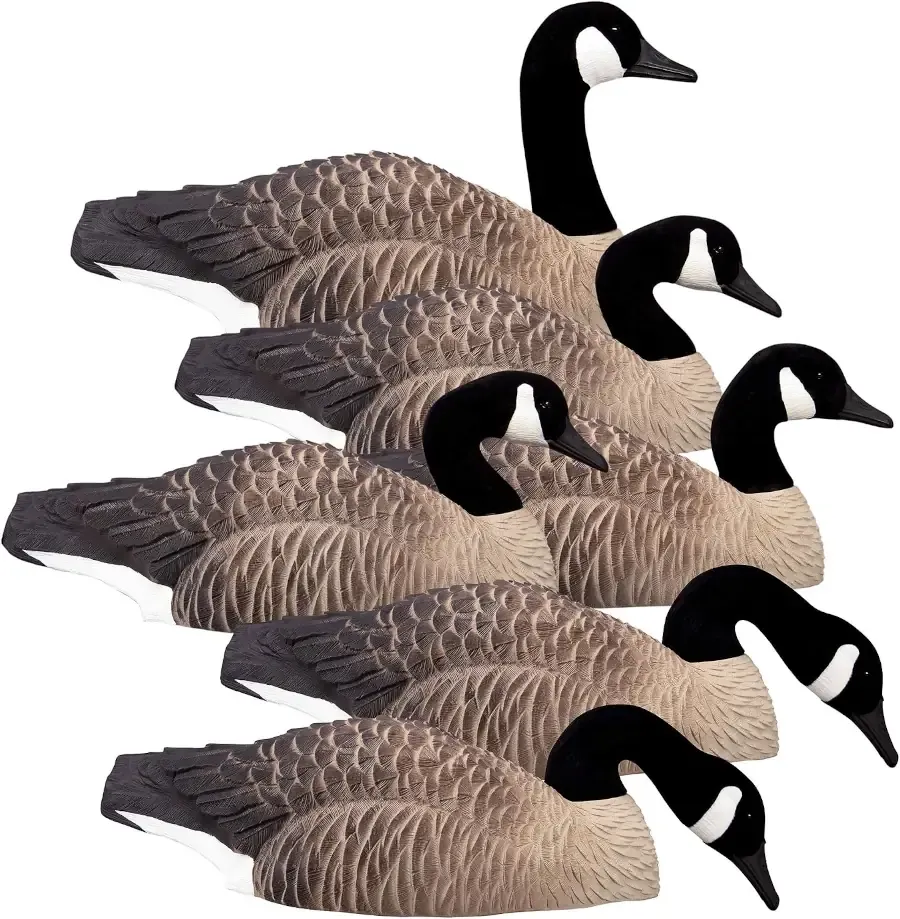
These aren't super magnum shells but still provide a larger sized decoy without getting overly bulky.
Check PriceHow to Make Floating Goose Shells
There are 2 primary methods of doing this that we have had success with in the past, and they are both incredibly simple. We usually use either stakes or foam pipe insulation to keep our decoys from sinking in the water.
Pipe Insulation
This method of turning shell decoys into floaters is so simple, you’ve probably already thought of it yourself. Simply take a strip of foam pipe insulation (the kind that is already slit down the middle) and run it around the bottom of your shell decoy. It can help a little bit if you get the pipe insulation that has adhesive along the slit, but that can be a bit more expensive and is not necessary.
Once the pipe insulation is in place, you will want to secure it with several strategically placed zip ties. Once you’ve got the pipe foam in place, you will want to clip a Texas rig onto one of your zip ties to keep it from floating away. This is a better method to use in higher wind scenarios, but they do take up a bit more space since the pipe insulation does not allow for efficient stacking of the decoy shells.
If you are going to be floating supermagnum shells, pipe foam may not be enough. In that case, you can use foam insulation board and cut it to the shape of the decoy. Push the foam board in place when setting the decoys so that it is secure, and then remove it when picking up the decoys. This allows the shells to stack and your shells can be easily modified/unmodified. It does take a bit of extra time for setup though.
Pros
- No need to worry about water depth
- More stable in windy conditions
- Cheapest method
Cons
- Requires rigging weights or long lines
- More apt to sink
- Does not stack as well
Stakes
If you want to retain all of the stackability of your Canada goose shells, then the stake method may be a bit better for you. The only modification you will have to do to your goose shells is drilling a small hole in the top of the decoy. After that, these stakes simply slide right into the hole, and the spring loaded support gives you excellent motion in even light breeze. The obvious downside to this is that the shells have a tendency to de-stabilize in high wind conditions. We had to chase goose shells across the marsh on one windy hunt.
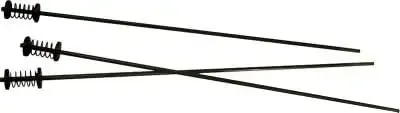
These stakes aren't very long which makes them difficult to use in deeper water. However, there is an easy solution. We use ½” electrical conduit to get the correct length/depth for the stake, and then drop in the universal motion stake afterword. It is wide enough that the top portion doesn't fall into the conduit. If you know the water depth and it doesn't vary much, cut sections of half-inch EMT (make sure you get metal conduit, plastic is too flimsy), stick them in the mud, and drop your stakes down inside the conduit. This method will leave your decoys floating just a few inches above the water.
Pros
- Won’t sink unless the stakes fall over
- Stacks exactly the same as regular shells
- Provides good motion in light breeze
Cons
- Not good for use in heavy winds
- Requires you to be mindful of water depths
- More expensive than pipe insulation
Limitations of These Methods
Obviously, this method of creating floating goose shells is not going to be as good as purchasing actual floating decoys, because if it was, there would be no market for goose floaters. Creating your own floating shells does have quite a few advantages, but they are not perfect for every situation.
High winds and rough waters are situations where you’re better off leaving the shells at home. The pipe insulation method isn’t very stable, and the decoys are prone to sinking or flipping in rough water. The staking method isn’t affected by the waves, but high winds can easily knock them off their stakes or tip them over. Unfortunately, this makes these decoys pretty ineffective if you hunt large lakes, reservoirs, or rivers.
Just for Fun
This is obviously a joke but I can't act like we haven't actually talked about using it as a way to sneak up on ducks during the early season. The best way to turn goose shells into floating decoys? "Stick em' on your head!"
When We Use It
If you primarily stick to shallow water prairie marshes and small farm ponds, then turning your goose shells into floaters can be a great way to not only save some money, but also increase the volume of your spread. We are always trying to find a way to increase the pulling power of our spread by carrying more decoys in our limited space. In situations like these, we occasionally like to go with our homemade floating goose shells. While they do have their limitations, we have had quite a bit of success using these methods.